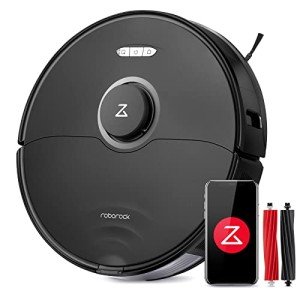
The Rise of Automatic Vacuums: Revolutionizing Home Cleaning
In an age where convenience and effectiveness are paramount, the advent of automatic vacuums has transformed how households keep tidiness. These innovative gadgets deal with hectic lifestyles, enabling individuals to delight in a cleaner home with minimal effort. This short article delves into the world of automatic vacuums, exploring their features, advantages, popular designs, and future patterns.
Comprehending Automatic Vacuums
Automatic vacuums, commonly understood as robotic vacuums, are compact, self-governing cleaning gadgets that navigate through homes to draw up dirt, dust, and debris without human intervention. Equipped with sensors, high-powered suction, and advanced algorithms, these vacuums have quickly end up being a staple in modern families.
How Do Automatic Vacuums Work?
Robotic vacuums operate through a series of collaborated mechanisms that allow them to tidy effectively. Here's a quick overview of their functional process:
- Sensors and Navigation: Automatic vacuums use infrared and laser sensing units to map their surroundings, recognize challenges, and figure out the most reliable cleaning path.
- Cleaning Mechanisms: Most robotic vacuums employ brushes and suction innovation to remove dirt and debris off various surfaces, from carpets to hardwood floorings.
- Charging and Docking: Once their battery levels run low, these gadgets instantly go back to their charging docks to charge, ensuring they are always ready for action.
- Smart Technology: Many models can be managed through mobile applications, enabling users to set up cleansings, display development, and even manage the vacuum from another location.
Benefits of Automatic Vacuums
Using robotic vacuums in home cleaning features various benefits, making them increasingly popular among consumers:
1. Convenience
- Hands-Free Operation: Users can set cleaning schedules, permitting the vacuum to run while they address other jobs or leave the house.
- Accessibility: Automatic vacuums can reach below furniture and into tight corners, guaranteeing an extensive tidy.
2. Time-Saving
- Minimized Cleaning Time: With robotic vacuums actively cleaning, users can reclaim hours invested on regular vacuuming.
- Multitasking: Users can pursue other tasks or relax while their robotic vacuum manages floor cleaning.
3. Advanced Technology
- Smart Features: Increased connection permits individualized settings, such as room-specific cleaning or notification signals when cleaning is complete.
- Arranged Cleaning: Users can set their gadgets to clean at different times and days, participating in proactive cleaning routines.
4. Improved Cleaning Efficiency
- Consistent Cleaning: Robotic vacuums can sustain day-to-day cleaning practices, minimizing total dust and dirt accumulation.
- High Performance: Many models utilize sophisticated suction systems that capture more pet hair, allergens, and debris.
Popular Automatic Vacuum Models
Considering that their introduction, different models have captured the attention of consumers, thanks to their innovative functions and trusted performance.
| Brand name & & Model | Secret Features | Price Range |
|---|---|---|
| iRobot Roomba 980 | Wi-Fi connection, powerful suction, multi-room cleaning, app control | ₤ 500 - ₤ 700 |
| Roborock S6 | Advanced navigation, long battery life, damp mopping capability | ₤ 500 - ₤ 600 |
| Ecovacs Deebot OZMO | Navigation mapping, mopping functionality, voice control | ₤ 400 - ₤ 500 |
| Neato Botvac D7 | D-shape style for corners, powerful suction, zone cleaning | ₤ 600 - ₤ 800 |
| Shark IQ Robot | Self-emptying base, advanced navigation, point cleaning | ₤ 400 - ₤ 500 |
Future Trends in Automatic Vacuums
As innovation continues to progress, the future of automatic vacuums appears promising. Key patterns to expect include:
- Incorporation of AI: Next-generation models might make use of expert system to improve navigation, acknowledge various types of dirt, and boost total cleaning efficiency.
- Improved Multi-Functionality: Robotics may broaden their utility beyond vacuuming, incorporating additional cleaning functions like scrubbing surface areas, sanitizing areas, or perhaps acting as home security devices.
- Ecological Sustainability: Manufacturers are most likely to concentrate on establishing environmentally friendly vacuums, using recyclable materials and energy-efficient designs.
Regularly Asked Questions (FAQs)
Q1: Are robotic vacuums suitable for all kinds of flooring?A1: Yes, the majority of
robotic vacuums are designed to work effectively on different surface areas, including carpets, wood, tile, and vinyl floors.
Q2: How typically ought to I run my automatic vacuum?A2: The frequency can
differ based on your family's requirements. Generally, running it 2-3 times a week will help preserve tidiness, especially if you have family pets. Q3: Can robotic vacuums clean corners effectively?A3: Robotic vacuums with a D-shaped design, like Neato Botvac models, are especially adept at reaching corners compared to round designs. Q4: Are automatic vacuums noisy?A4: Noise levels differ by model, however most modern-day robotic vacuums operate silently, making them suitable for usage around sleeping kids or animals. Q5: Do I need to empty the vacuum's dustbin after every use?A5: It depends upon the model. Some vacuums come with self-emptying functions, while others require manual dustbin
clearing after each cleaning cycle. Automatic vacuums represent a
dynamic shift in home cleaning innovation, marrying benefit with innovative cleaning abilities. As these smart devices continue to progress, they will undoubtedly find
broader applications and ingenious performances. By buying page , property owners are taking a significant step toward achieving a cleaner, more effective living area, utilizing the power of automation to boost their every day lives.